
The Language Mill
Pranathosmyaham Ramam
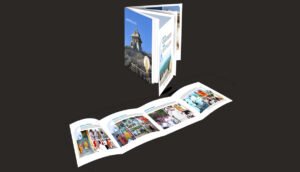
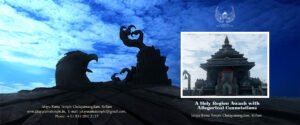
Jatayupara Sri Kodandarama Temple, Chadayamangalam
Pranathosmyaham Ramam — I bow down to Sri Rama.
This first printed literature of Jatayupara Sri Kodandarama Temple marks the first literary initiation of the “Padam Padam Rama Paadam” project — the sacred journey of 1008 steps towards Rama Padam.
At its heart is the timeless story of Jatayu, the vulture king who rose against Ravana while he carried Sita away. Mortally wounded, Jatayu lived to reveal the direction of Sita’s abduction to Rama. Rama then performed his last rites and blessed him with moksha. Jatayupara preserves the memory of this sacred encounter through its rock, Rama Padam, Kokkarani and the Kodandarama Temple.
The story of Jatayu also lives through Kathakali, Kerala’s classical theatre tradition. Jatayu Moksham brings the epic episode to life through gesture, expression, music, movement and dramatic storytelling. A Kathakali presentation by artists at a nearby temple function further connected this ancient narrative with Kerala’s living cultural heritage.
The 1008 steps to Rama Padam transform the physical ascent into a journey of devotion — Padam Padam, Rama Paadam, step by step towards Rama’s feet.
This brochure begins that journey in words: a story of Rama, a tribute to Jatayu, and an invitation to walk towards the sacred.
A story does not remain alive merely because it is written. It survives when a place remembers it, when people pass it on, and when artists give it another life.
At Jatayupara, the story of Jatayu is rooted in the landscape itself. The rock, Rama Padam, Kokkarani and the Kodandarama Temple form a sacred geography around the final moments of the vulture king who stood against Ravana to protect Sita.
And then comes Kathakali.
Through the elaborate language of Kerala’s classical theatre, the story of Jatayu Moksham moves from scripture and legend into performance. The confrontation with Ravana, Jatayu’s valour, his fall, his final words to Rama and the moment of moksha are transformed through the eyes, hands, music and movement of the performers.
A Kathakali performance presented by artists at a nearby temple function brought this story into the living cultural landscape of Chadayamangalam. Here, Jatayu was no longer only a figure from an ancient epic. He became a presence on stage—seen, heard and experienced.
The coffee-table book brings these worlds together: the sacred landscape, the temple, the epic and the performing tradition. It is a record not only of a place, but of a story that continues to be told.